Trading Explained Simply and Effectively in 2026 for Consistent Success
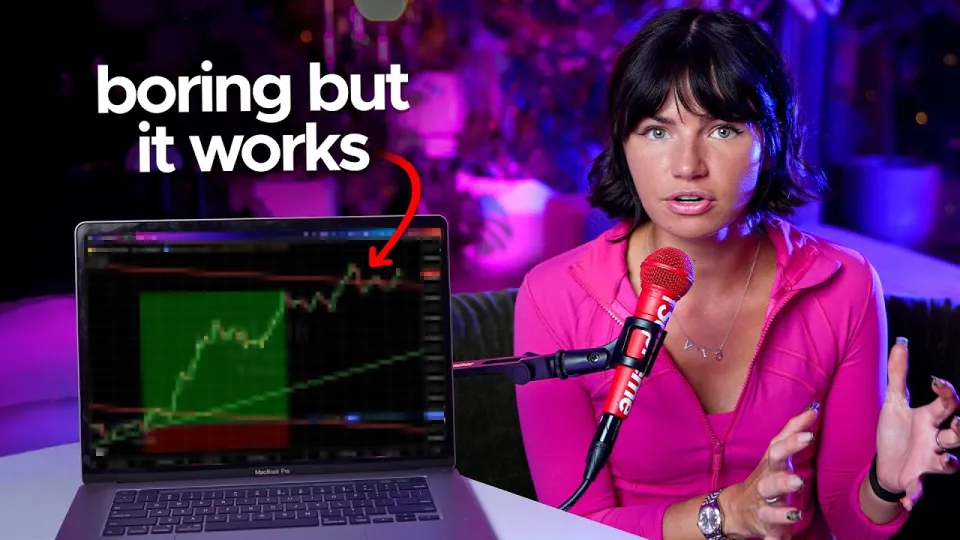
Video: Unfortunately, trading really is this simple
Want articles like this for your own video to promote it on YouTube and Google? Order them through the Telegram bot @sat_sit_bot. The bot writes and publishes the articles itself (with your YouTube video embedded) on popular topical websites (no ads). Your first 50 articles are free.
· based on the channel Tori Trades
Trading in 2026 can be straightforward and effective without the need for complex financial knowledge or high-level math skills. The core of successful trading lies in understanding simple strategies such as trendline analysis and futures trading. By following clear, step-by-step methods, traders can build a system that works consistently and is easy to test on platforms like TradingView. For those interested, joining the waitlist for Tori Trades offers access to valuable resources and trading insights.
Why Trading Can Be Simple and Accessible
Many believe trading requires a finance degree or advanced math, but that’s a misconception. The key to profitable trading is mastering a simple, repeatable system. Using futures markets, which involve contracts to buy or sell assets at predetermined prices, allows traders to leverage movements in commodities, indices, and currencies. Trendlines—lines drawn along price highs or lows—help identify the direction of the market and potential entry points.
Step-by-Step Trading Strategy Using Trendlines
The trading strategy focuses on these main steps:
- Identify the Trend: Draw trendlines connecting the recent highs or lows on your chart to define the market direction.
- Wait for Price Reaction: Observe how price interacts with the trendline; a bounce off the line may signal continuation.
- Enter the Trade: Once confirmed by a candlestick pattern or price action near the trendline, enter your position.
- Set Stop Loss: Place a stop loss just beyond the trendline or recent swing point to manage risk.
- Manage the Trade: Monitor price movement actively to adjust stops or take profits as the market evolves.
This approach does not require complicated indicators or algorithms, just a disciplined routine and patience.
Managing Risks and Volatility in Futures Trading
Futures markets can be volatile, with rapid price changes sometimes occurring in seconds, especially in assets like gold. Effective risk management includes:
- Using stop losses to limit potential losses.
- Trading smaller contract sizes to control exposure.
- Being prepared to exit quickly when the market moves against you.
Traders must remain vigilant and ready to act fast, as sudden volatility can cause large swings in account value.
Addressing Common Trading Questions and Challenges
Many new traders ask where to place stops relative to trendlines, how to handle sudden price jumps, and how trading futures differs from stocks. Generally:
- Stops should be set just beyond the trendline or the closest swing low/high to avoid premature exit.
- Sudden price spikes require quick decision-making; sometimes exiting early preserves capital.
- Futures offer leverage and different market dynamics compared to stocks, including 24/5 trading and direct exposure to commodities and indices.
Understanding these nuances is crucial for adapting strategies effectively.
Using Technology and Tools to Support Your Trading
Platforms like TradingView allow you to draw trendlines, analyze charts, and backtest strategies easily. Tracking trades through tools such as TradeZella can improve discipline and performance by logging your trades and outcomes systematically. Selecting a reputable broker like TradeStation enhances execution quality and access to futures markets.
Useful Links
- Join the waitlist for Tori Trades: https://go.toritradez.com/waitlist-1009
- Track trades with TradeZella (discount code TORI20): https://www.tradezella.com/?via=victoria
- Broker used by Tori Trades: https://www.tradestation.com/promo/toritrades/
- Tori Trades Instagram: https://www.instagram.com/tori.trades.futures/
Conclusion
Trading is fundamentally simple when you strip it down to core principles like trendlines, risk management, and disciplined execution. Futures markets provide powerful opportunities with the right approach. The step-by-step system shared by Tori Trades demonstrates that you don’t need advanced degrees or complex math to succeed. By testing strategies on platforms like TradingView and tracking your trades, you can develop consistent profitability. For more insights and to join a community of traders, consider signing up at the Tori Trades waitlist.
Key takeaways
- Trading does not require advanced math or economics degrees.
- Trendlines and futures markets are key components of the strategy.
- Step-by-step trade setups improve consistency and risk management.
- Real trade examples help traders test strategies on TradingView.
- Risk management and stop placement are essential for success.
Questions & answers
Do I need advanced math or finance degrees to start trading?
No, successful trading does not require advanced math or a finance degree. The key is mastering simple, consistent strategies like trendline analysis and risk management.
Where should I place stop losses when trading with trendlines?
Stops are typically placed just beyond the trendline or the nearest swing point to protect against unexpected price movements while allowing the trade some room to develop.
How do futures trading risks differ from stock trading?
Futures trading involves leverage and often greater volatility, with 24/5 market hours, exposing traders to rapid price movements unlike stocks, which can be influenced heavily by algorithms.
Can sudden volatility in futures cause large losses?
Yes, assets like gold can move very quickly, causing sudden gains or losses. Active trade management and quick exits are essential to minimize risk in volatile markets.
Source: Unfortunately, trading really is this simple · Markdown version